





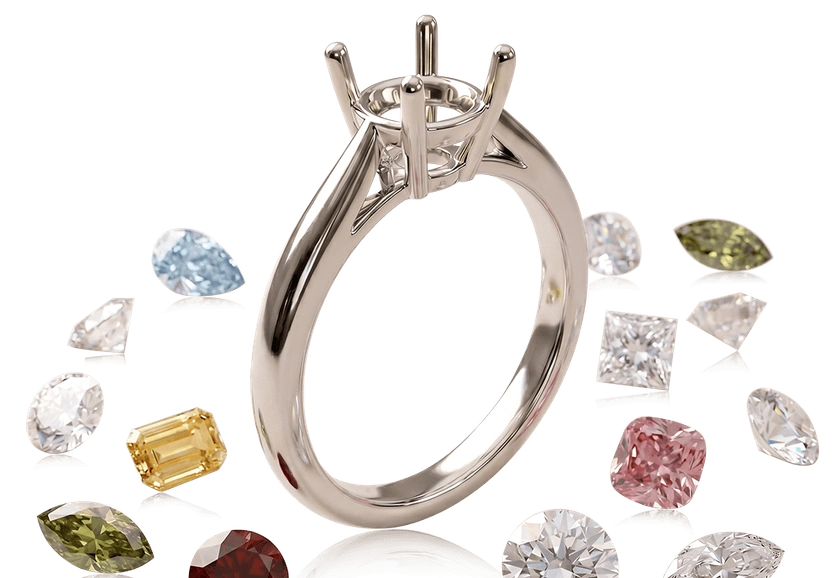



The short answer
Estimated ranges for a round, G–H color, VS clarity, Excellent-cut lab-grown diamond in a 14K gold solitaire. Live prices are on each product page.
Friendly Diamonds Studio · 1
Ring price estimator
Choose the ring you have in mind. The estimate updates as you go and shows where the money is going, plus smart swaps that keep the look and lower the price.
How we estimate
The diamond range starts from public US retail price trackers for loose lab-grown diamonds in (round, G–H color, VS clarity, Excellent cut, IGI-graded), then adjusts for shape, color, clarity and cut using typical market differences. Setting ranges reflect 2026 published prices for comparable manufactured settings from online jewelers. A comparable natural diamond uses the same trackers.
These are estimates to help you plan, not Friendly Diamonds prices or a quote. Every diamond is priced individually, and prices change. The product page always shows the live price.
Chapter 1
What you’re paying for
An engagement ring’s price is really two prices: the center diamond and the setting that holds it. Knowing how each one is priced is the fastest way to understand any quote you see.
Usually the larger share of a lab-grown ring. Its price depends on carat weight first, then cut, color, clarity and shape.
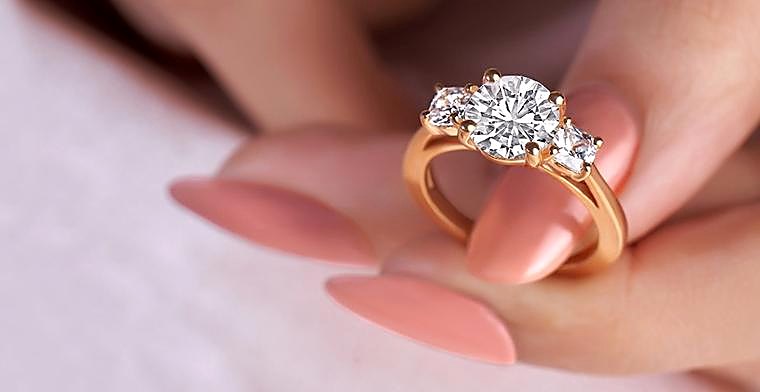
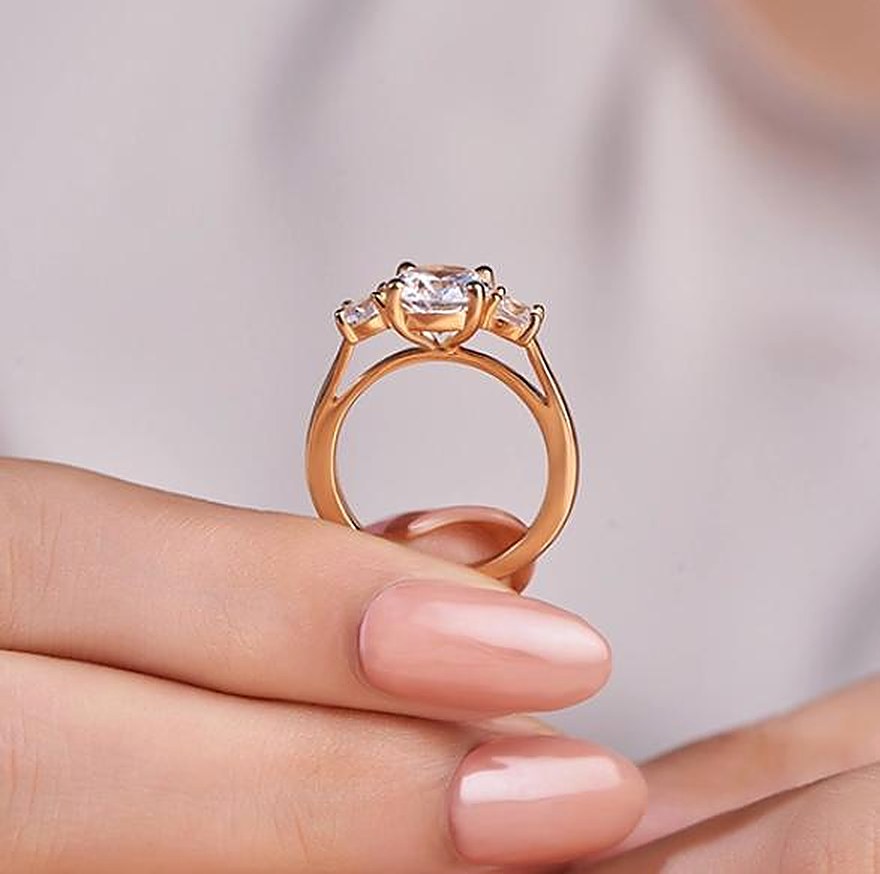
The metal framework plus any accent diamonds. A simple solitaire costs least; halos, pavé and three-stone designs add stones and craftsmanship.
14K gold is the everyday standard. 18K gold and platinum cost more because they contain more precious metal and take more work.
Engraving, custom changes and certification. Most add little; bespoke design adds more.
Why lab-grown changes the picture
A lab-grown diamond is a real diamond, with the same chemistry, hardness and sparkle as a mined one. Because it is grown rather than mined, it typically costs a fraction of a natural diamond of the same size and grade, and that gap widens as stones get bigger. For a lab-grown ring, that means the setting becomes a larger, more visible part of the total, and a larger center stone becomes realistic on a modest budget.
When you compare quotes, compare the diamond and the setting separately. Two rings at the same total can put the money in very different places.
Chapter 2
Carat: the biggest lever
Carat weight moves the price more than anything else. But lab-grown and natural diamonds behave very differently as they get larger, and that difference is where most of the savings are.
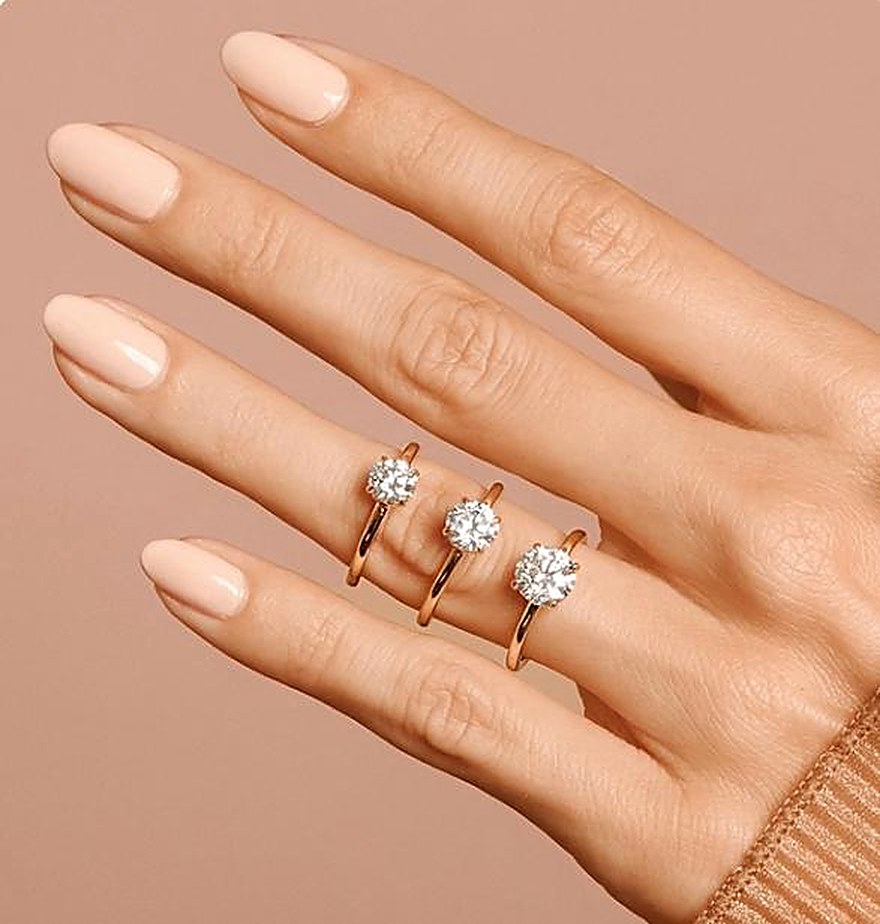
Natural diamonds get more expensive per carat as they grow, because large rough stones are rare: a 2 carat natural diamond typically costs several times a 1 carat. Lab-grown diamonds are grown to size, so their price per carat stays far flatter. That’s why a 3 or even 5 carat lab-grown diamond is within reach for many couples.
Friendly Diamonds Studio · 2
Lab vs natural, carat by carat
Drag along the curve to compare the estimated price of a loose lab-grown diamond with a comparable natural one.
Loose round diamonds, G–H color, VS clarity, Excellent cut. Logarithmic price scale so both lines fit. Estimates from public US price trackers, .
Big-carat questions
Large stones attract the most curiosity. A 5 carat lab-grown diamond is a genuine possibility, but at that size, cut quality and proportions matter even more, and availability varies more from week to week. Our dedicated guides go further:
Prices tend to step up at round weights such as 1.00, 1.50 and 2.00 carats. A diamond just below, such as 0.95 carat, looks almost identical and is often priced lower.
Chapter 3
Cut, color and clarity
After carat, the three quality grades fine-tune the price. The art is spending where your eye will notice and saving where it won’t.
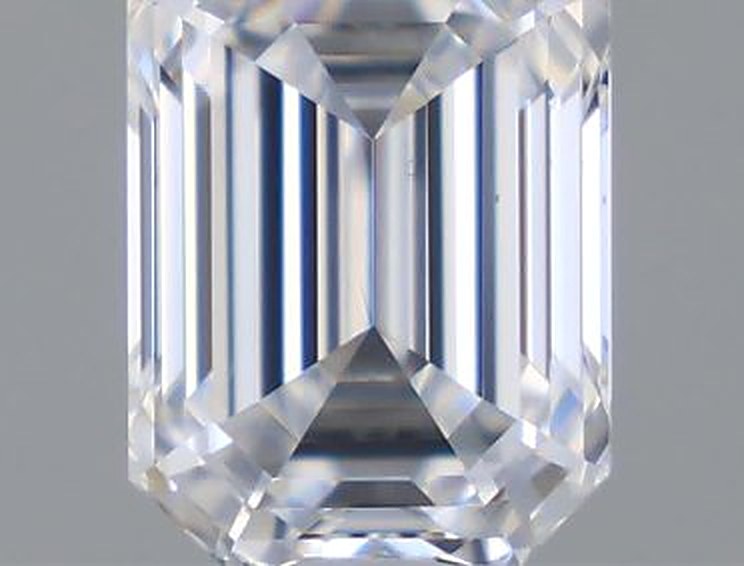
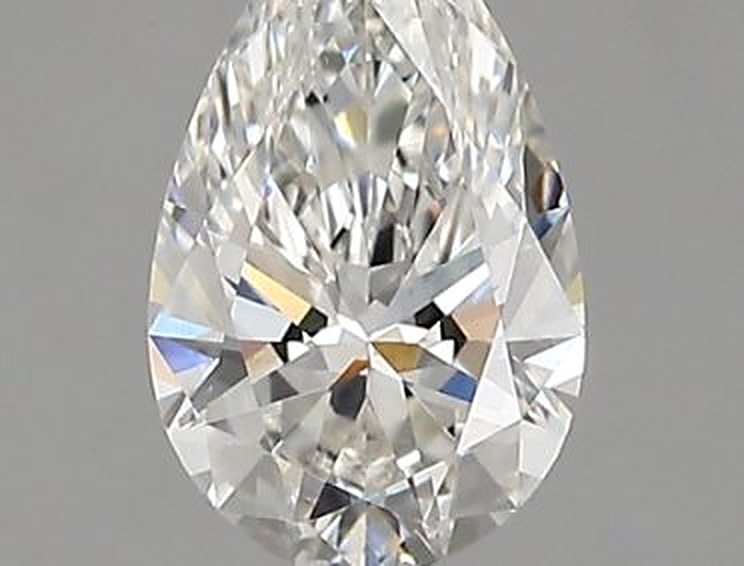
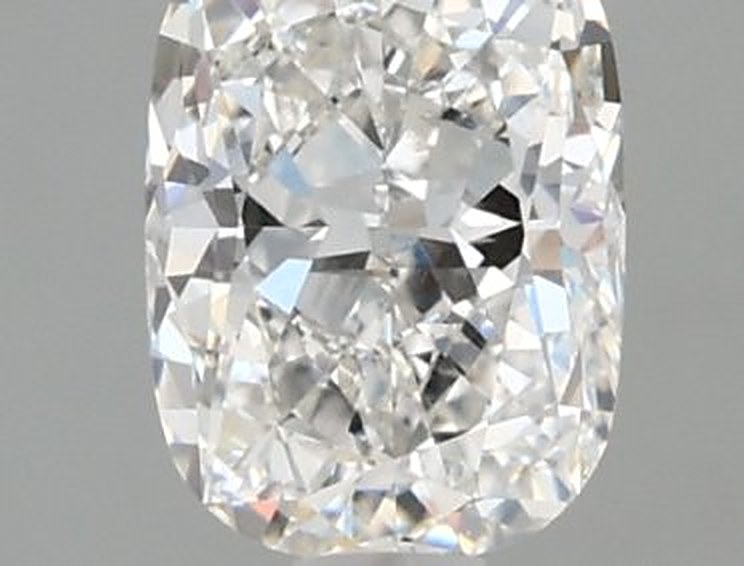
Real Friendly Diamonds stones from the loose-diamond listing. All three are about 1 carat with high grades, yet their prices differ by shape.
| Grade | Typical effect on a lab diamond’s price | Our guidance |
|---|---|---|
| Cut | Very Good is often around 10% less than Excellent | Keep Excellent. Cut drives sparkle, and the saving is small. |
| Color | D–F about 20% more than G–H; I–J about 15% less | G–H looks white in most settings. I–J can look white in yellow or rose gold. |
| Clarity | VVS or better about 15% more than VS; SI about 15% less | Aim for eye-clean. VS is a safe choice; check SI stones individually. |
Typical market differences, . The size of each effect varies by stone and retailer.
Chapter 4
Does shape change the price?
Yes, a little. Round diamonds usually cost the most per carat because cutting them loses more of the rough stone and demand is highest. Many fancy shapes cost slightly less and can look larger for their weight.
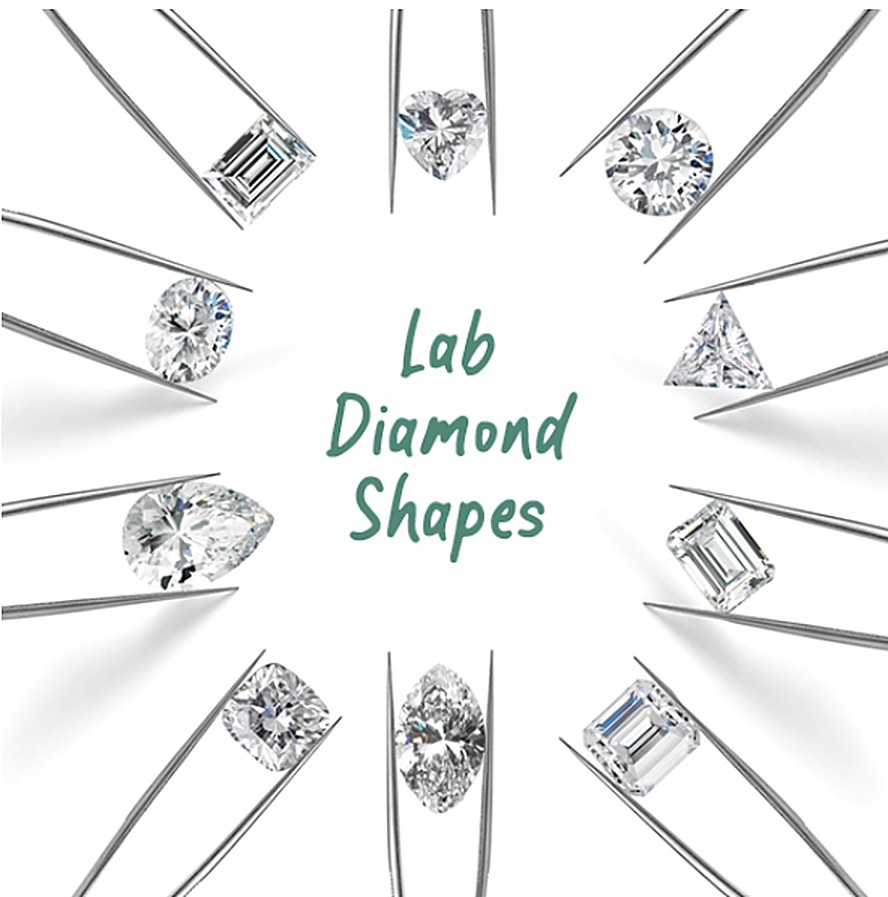
Typical price relative to a round diamond of the same weight and grades, .
Oval, pear and emerald shapes spread longer across the finger, so a slightly smaller stone in one of these shapes can look as large as a round.
Chapter 5
Setting and metal costs
“How much is a ring setting?” depends on two things: how many accent diamonds it carries and which metal it’s made in.
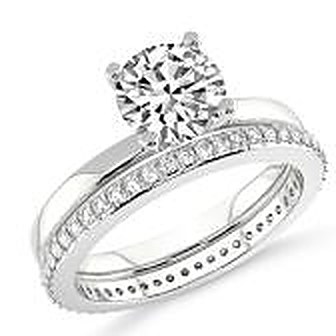
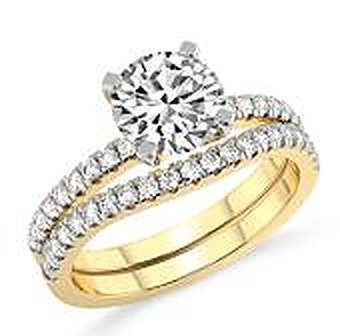
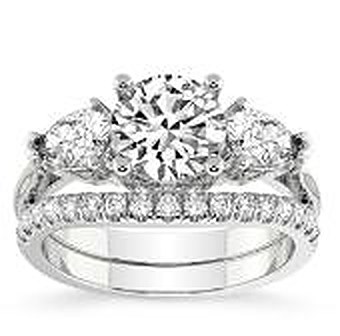
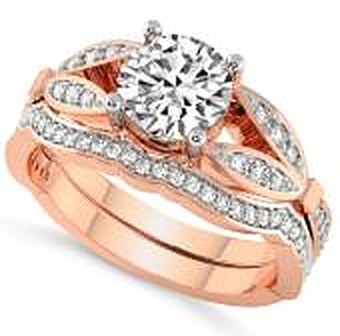
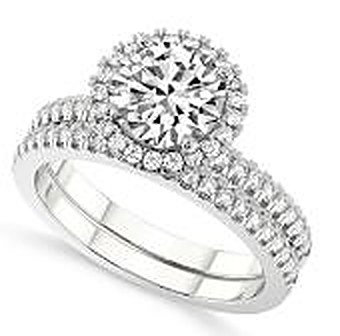
Estimated ranges for manufactured settings without the center stone, from 2026 published online prices. Platinum and 18K gold add to these ranges as shown.
Is white gold more expensive than yellow gold?
Not in any meaningful way. White, yellow and rose gold of the same karat contain the same amount of gold, so their metal value is the same. White gold carries a rhodium plating, which may add a little at purchase and needs refreshing every few years. The bigger price differences come from karat (14K vs 18K) and from choosing platinum.
The Friendly Diamonds Metal Guide
Compare metals side by side and check what the gold or platinum in a ring is worth at today’s prices.
Explore the Metal GuideChapter 6
How much should you spend?
Whatever you’re comfortable with. The “two months’ salary” rule started as jewelry-industry advertising (one month’s salary in the 1930s, two months’ in the 1980s), not financial advice. A better approach is to set a total first, then decide what matters most: size, quality or design.
Friendly Diamonds Studio · 3
What can my budget buy?
Set a total and see four different rings it could become, each one a different way to spend the same amount.
Each card picks the combination whose estimated range fits within your budget. Estimates, not quotes; product pages show live prices.
Chapter 7
Seven smart ways to save
- Buy just under round weights. 0.90–0.99 carat looks almost the same as 1.00.
- Keep the cut excellent, relax the rest. G–H color and VS clarity look white and clean to most eyes.
- Let the metal help. In yellow or rose gold, I–J color often looks white.
- Choose an elongated shape. Ovals and pears look larger for their weight.
- Start with a solitaire. It costs least and you can add a pavé wedding band later.
- Choose 14K gold. It’s durable and costs less than 18K or platinum.
- Use a halo for presence. A halo can make a smaller center stone look larger.
And check the payment options at checkout if you’d prefer to spread the cost.
Questions
Engagement ring cost questions
Keep exploring